2D Rendering
Two-dimensional interfaces that use layered images, SVG compositing, or canvas-based rendering. Often used for print products, labels, packaging, and graphic configurators where depth isn't needed. Typically faster to load and simpler to build than 3D alternatives.
15 apps
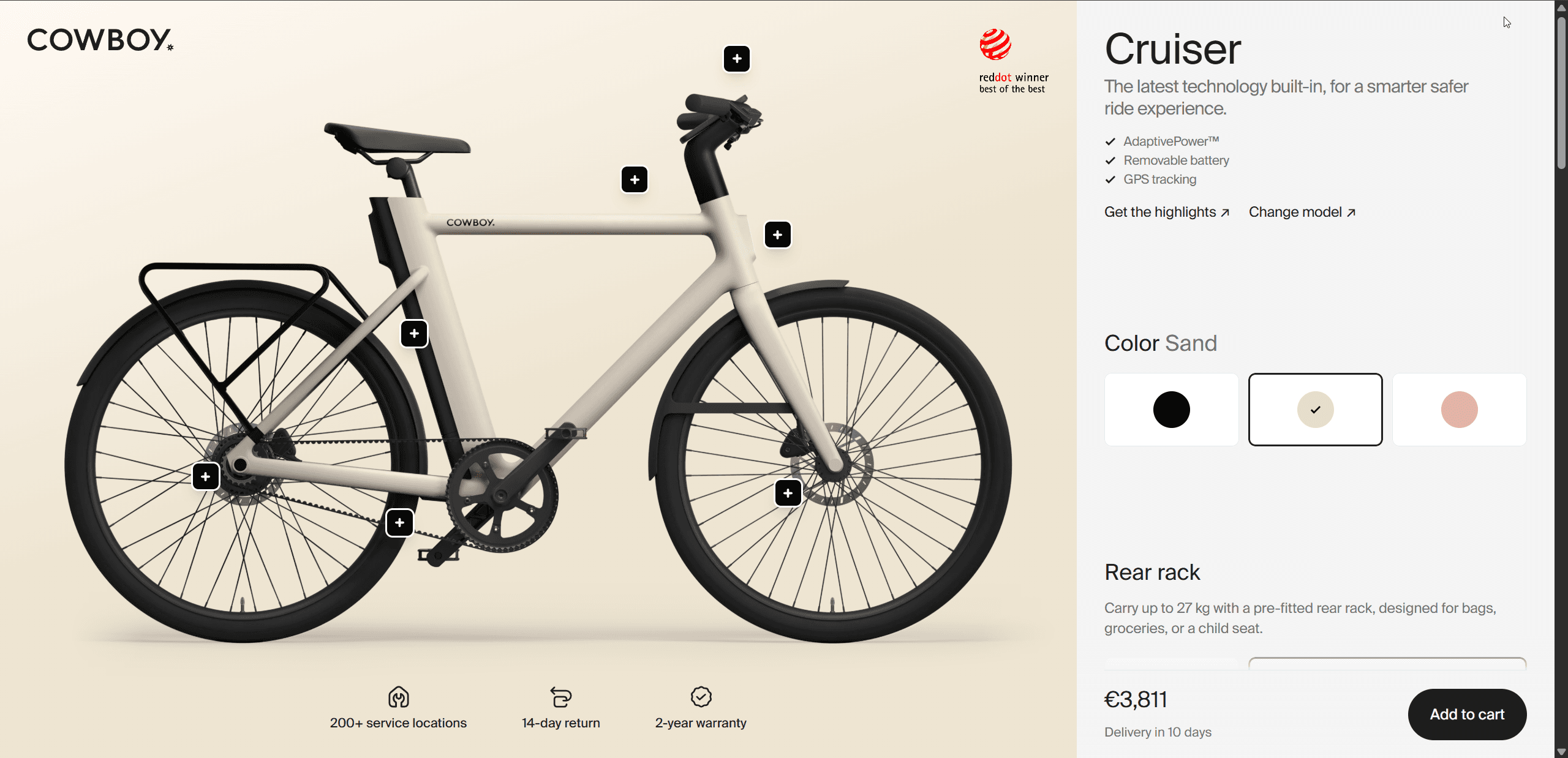
Cowboy Electric Bike 2D Configurator
 Cowboy
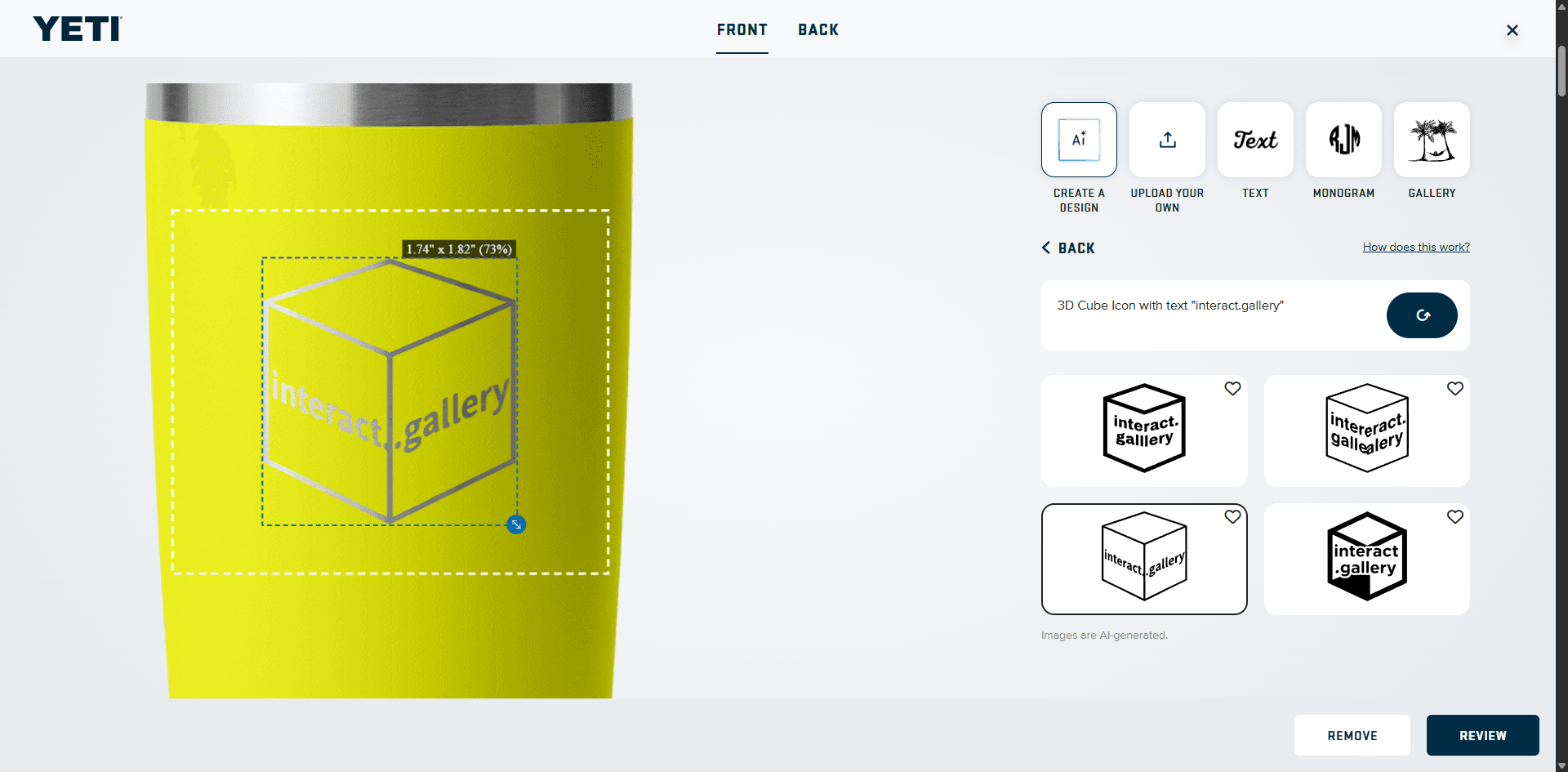
Yeti Custom Shop Cooler 2D Configurator
 Yeti
Yeti
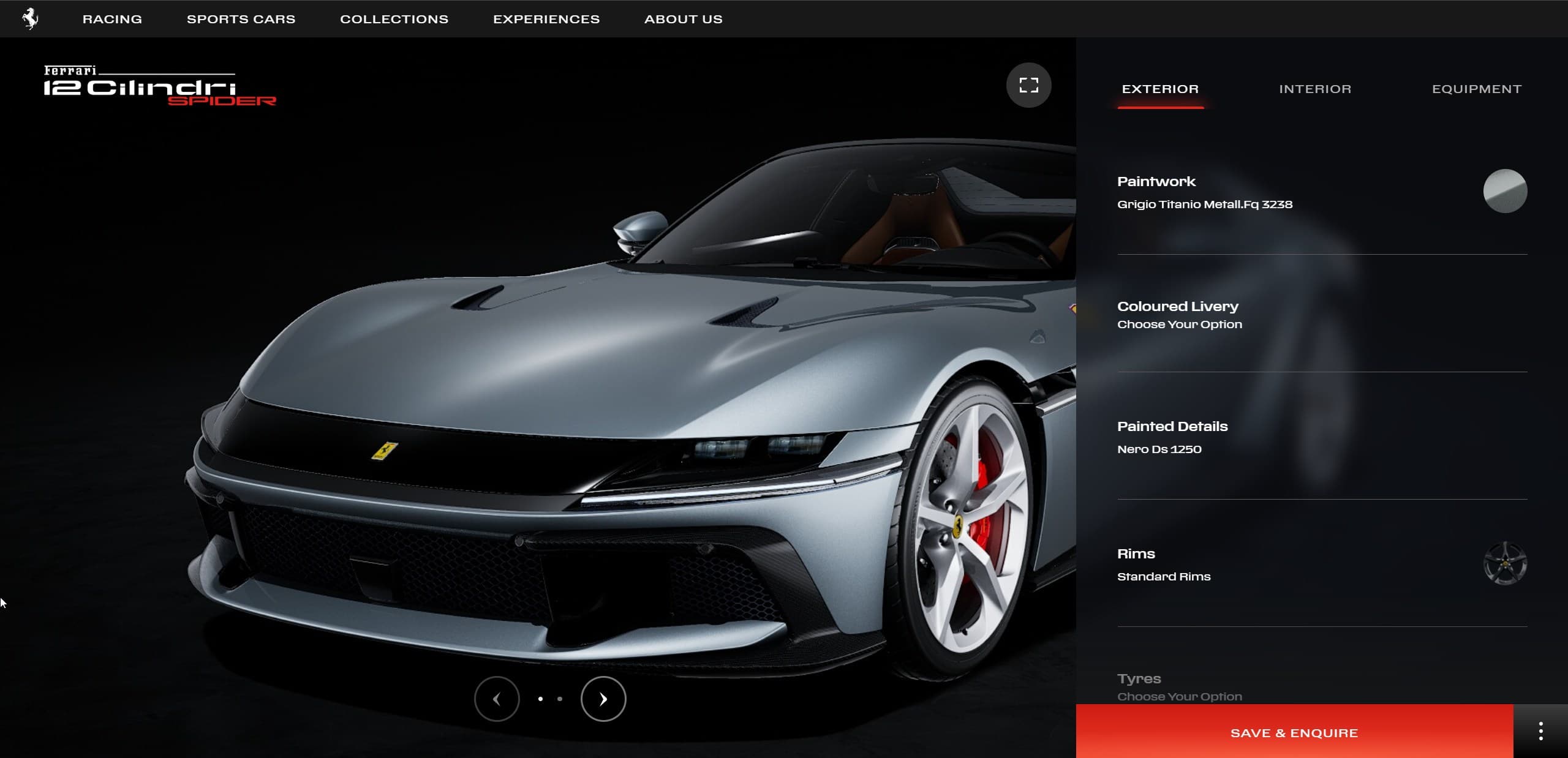
Ferrari Car 2D Configurators
 Ferrari
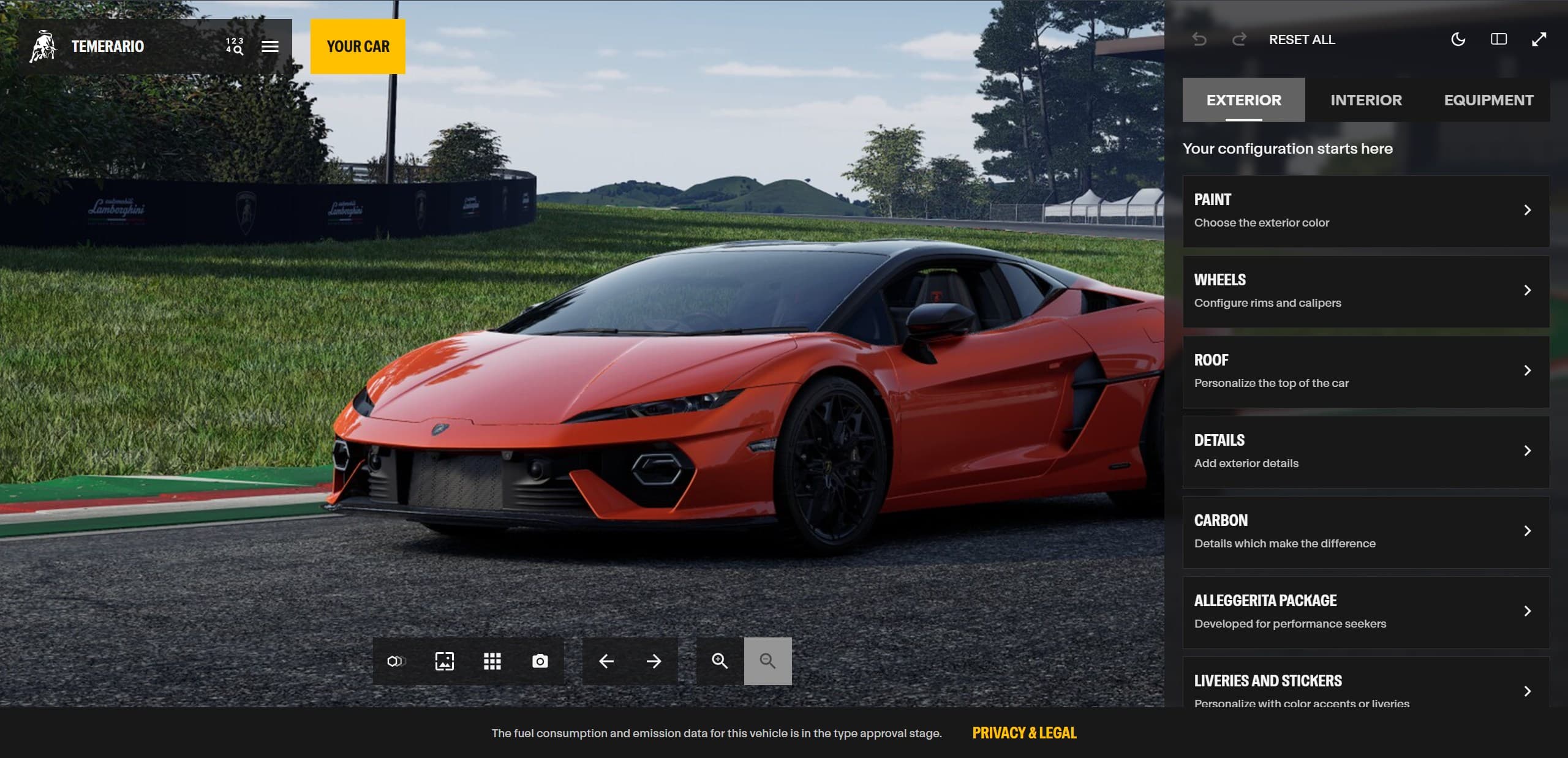
Lamborghini Ad Personam Configurator
Lamborghini
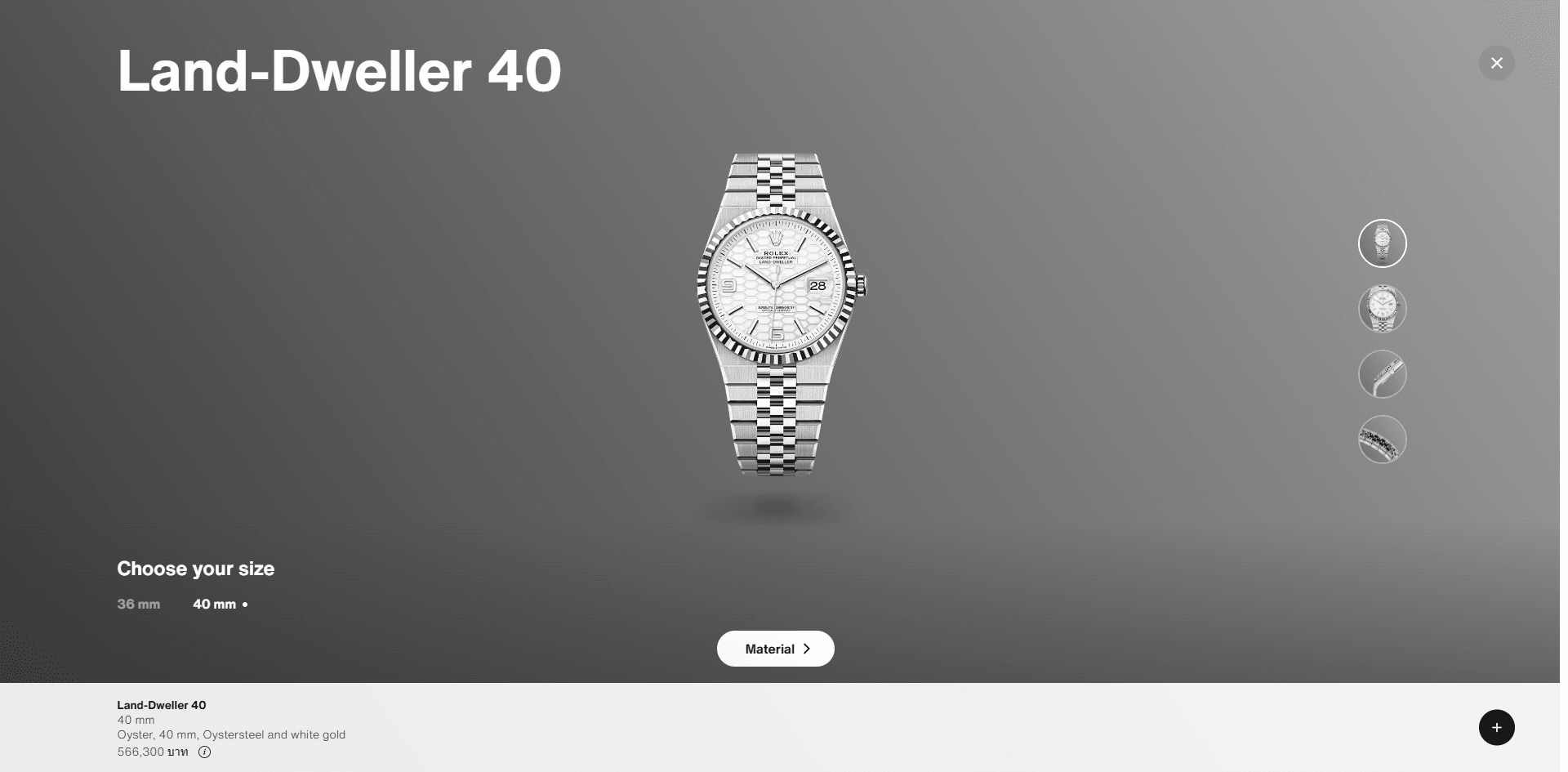
Rolex 2D Watches Configurator
 Rolex
Rolex
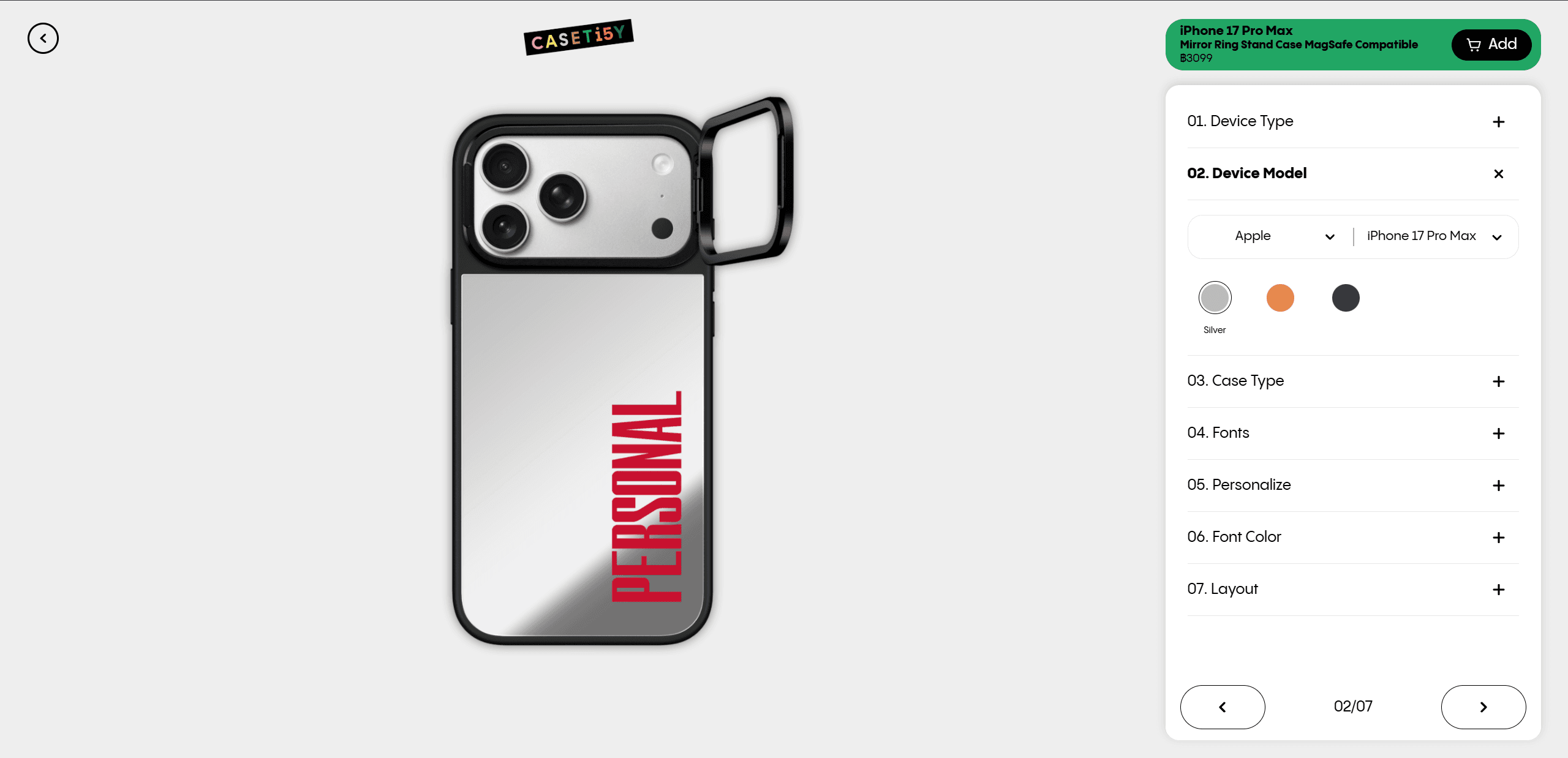
Casetify Case 2D Customizer
Casetify
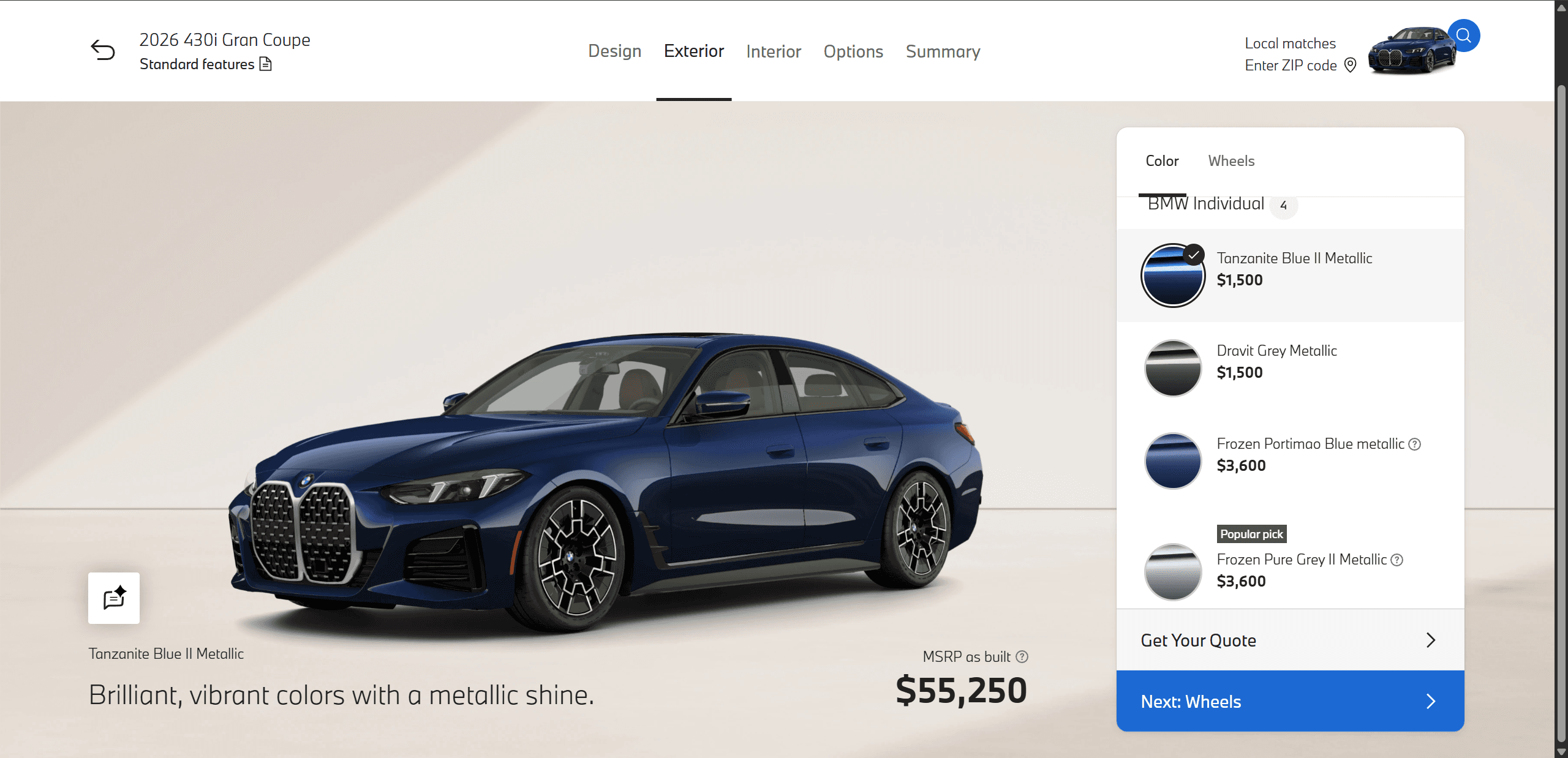
BMW Build Your Own
 BMW
BMW
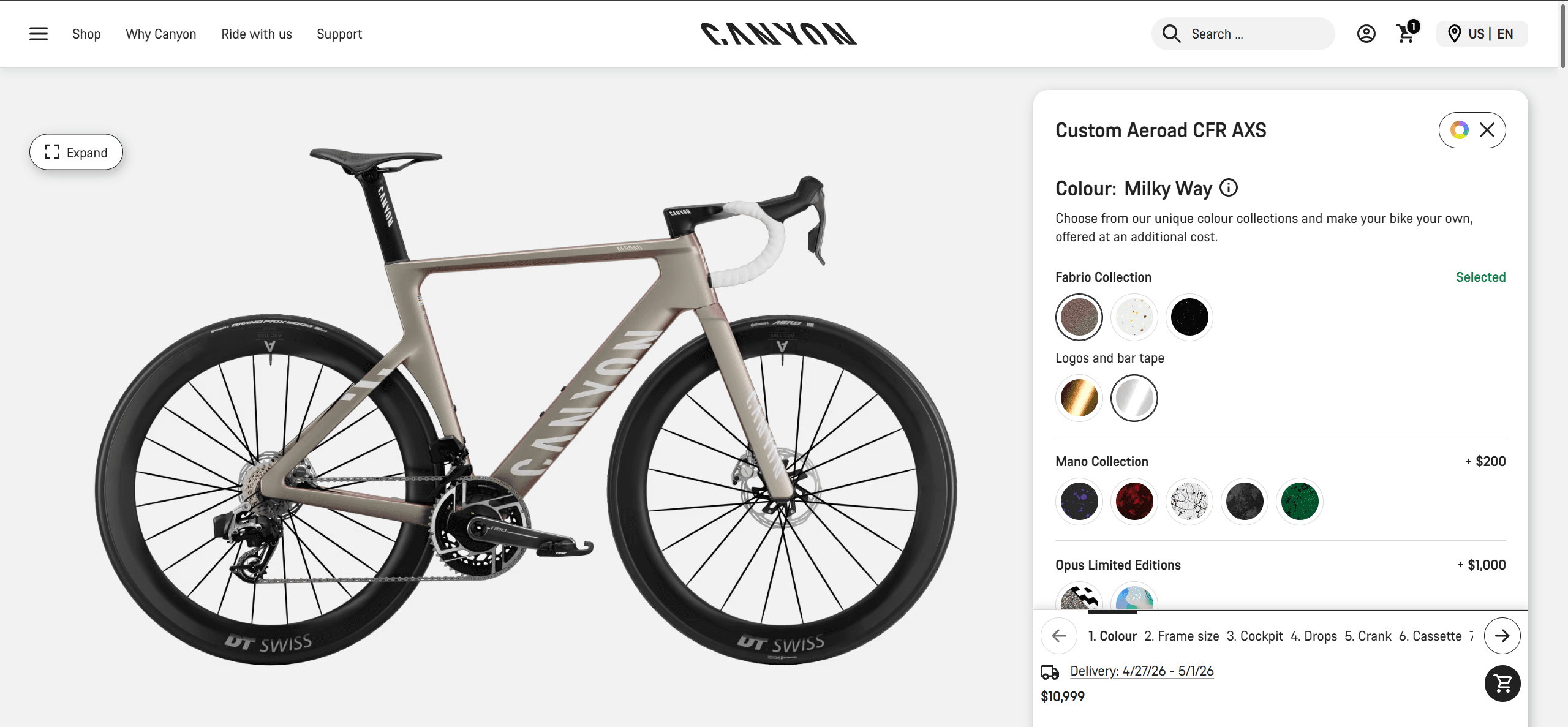
Canyon MyCanyon Bike Customizer
Canyon
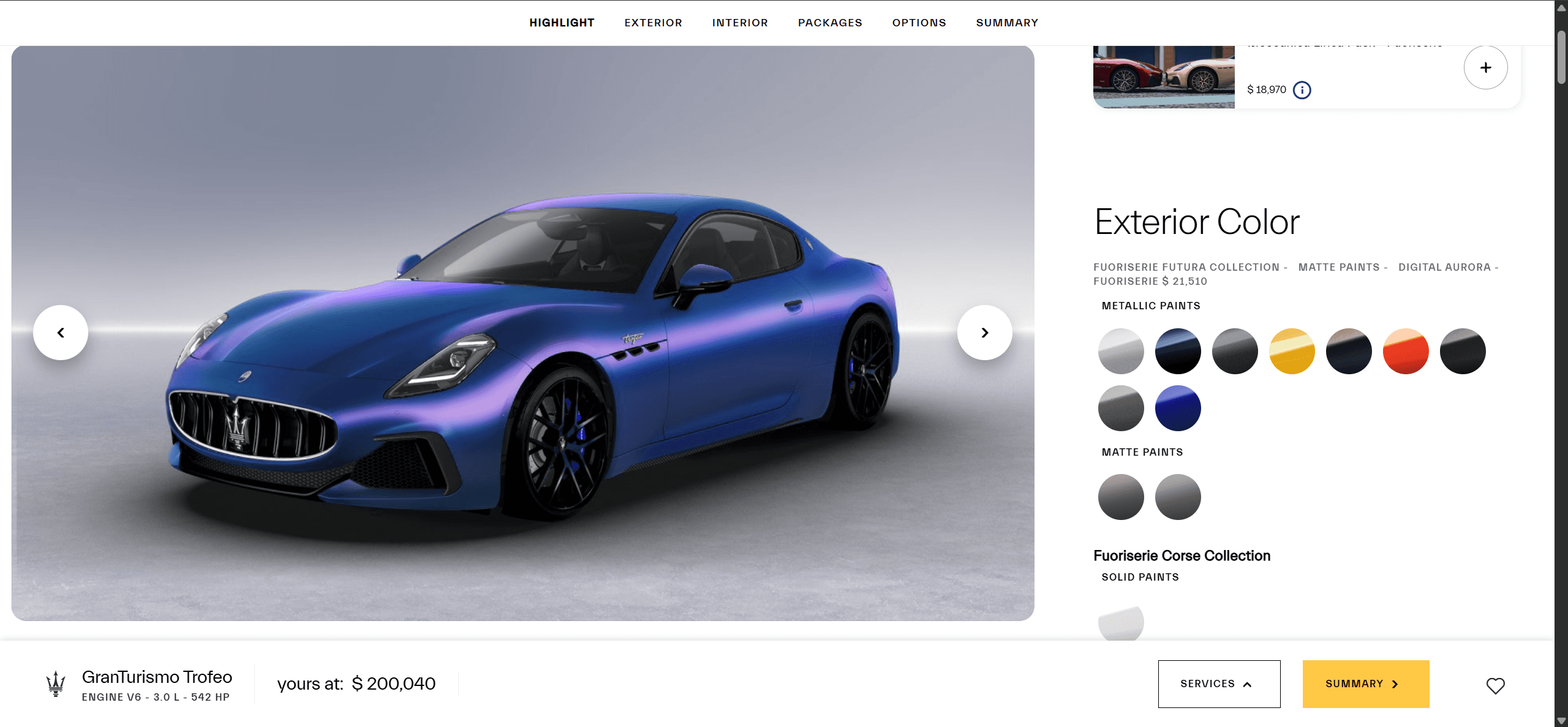
Build Your Maserati 2D Configurator
Maserati
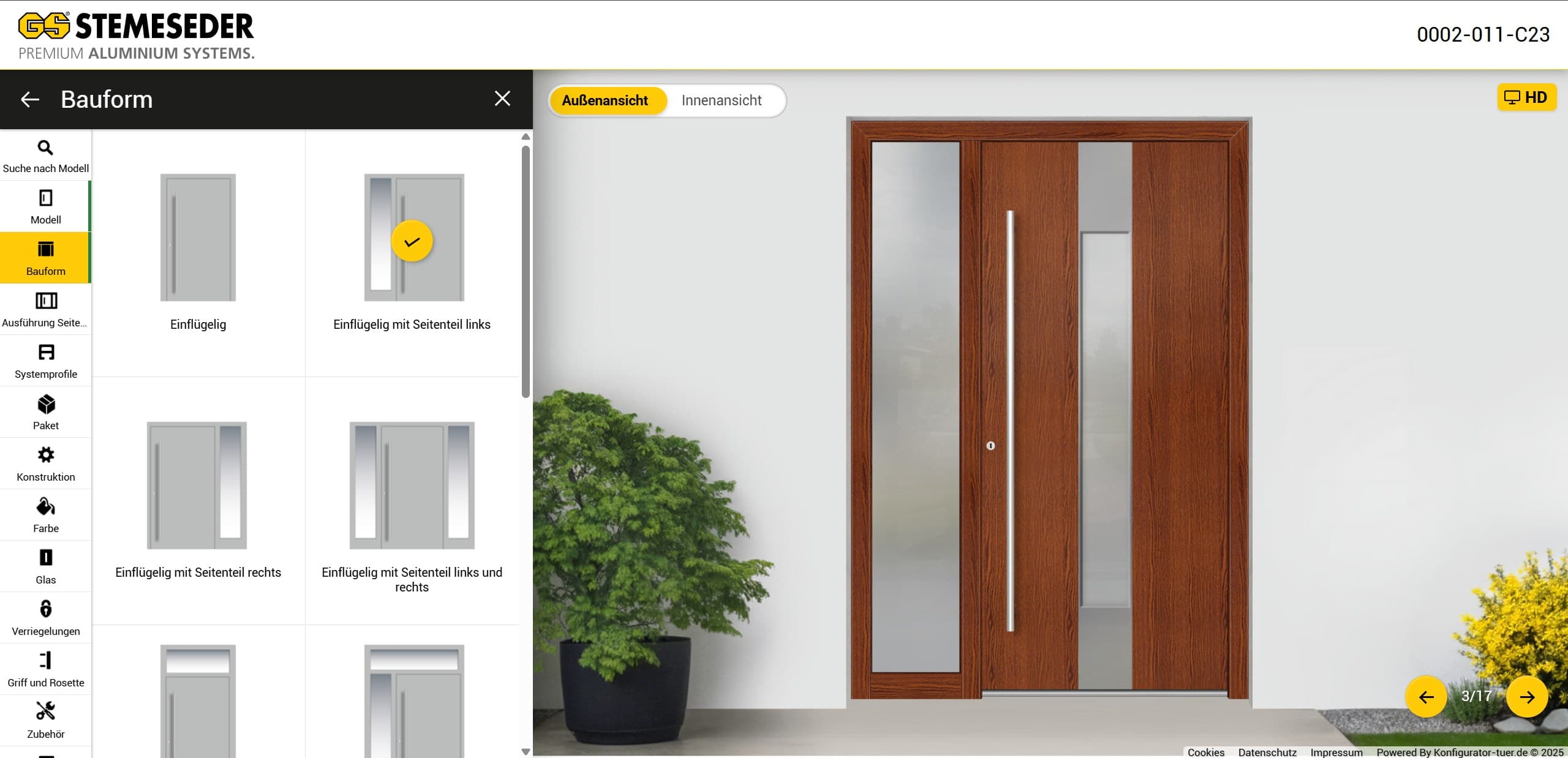
Stemeseder Door 2D Configurator
Stemeseder
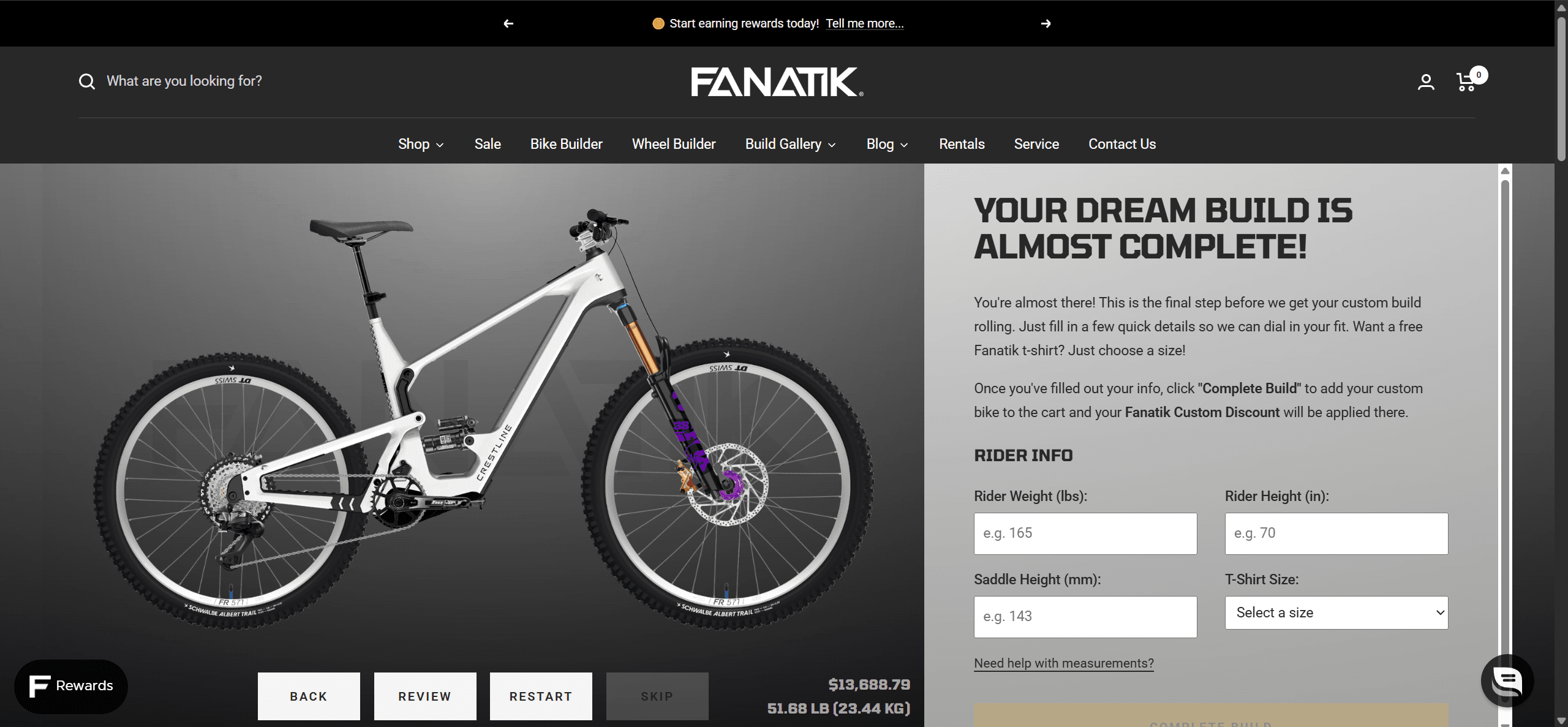
Fanatik Custom Mountain Bike 3D Builder
Fanatik

Lotus Pixel Streaming & 2D Configurators
 Lotus
Lotus
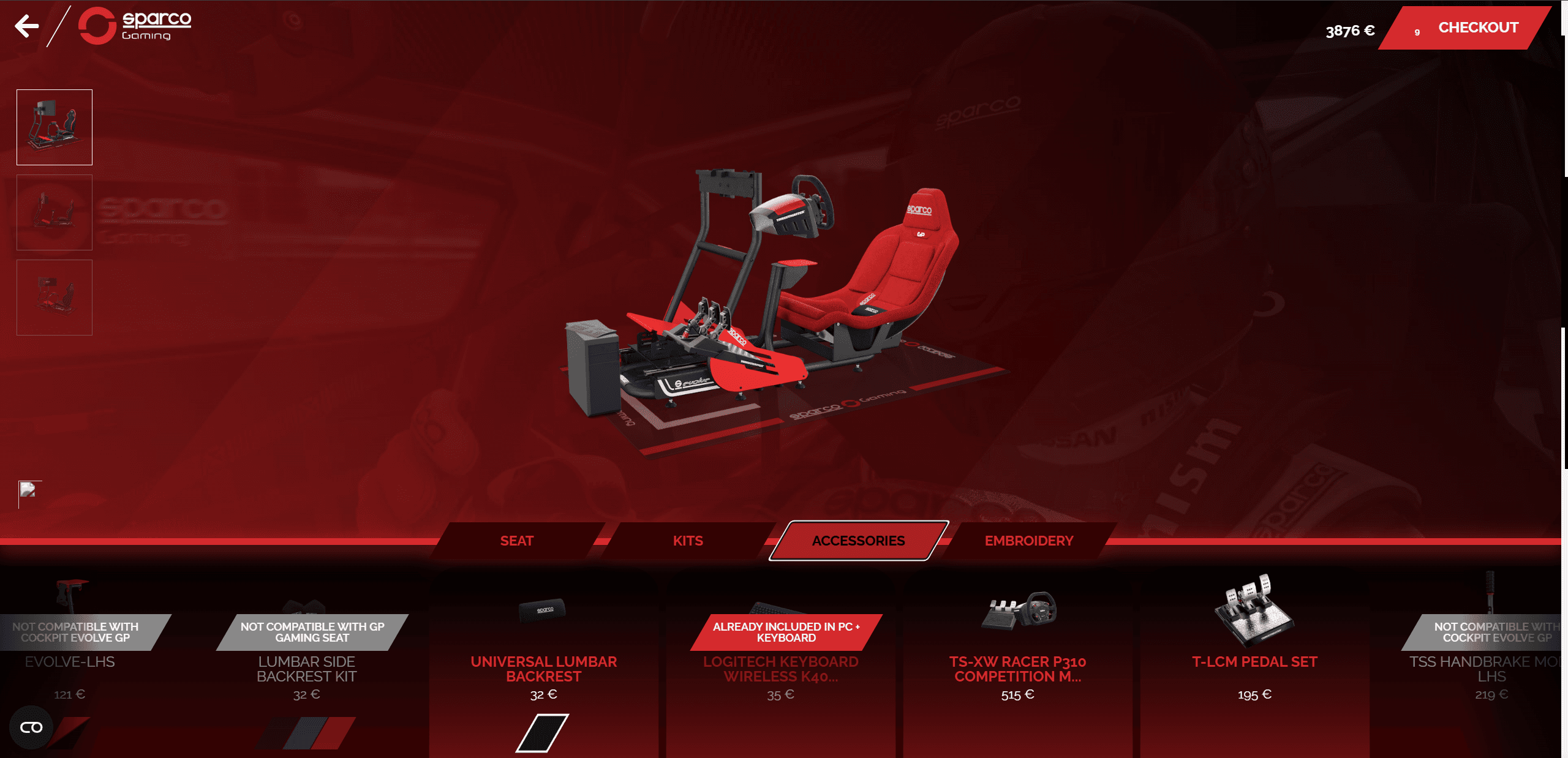
Sparco Racing Simulator Chair 2D Configurator
Sparco
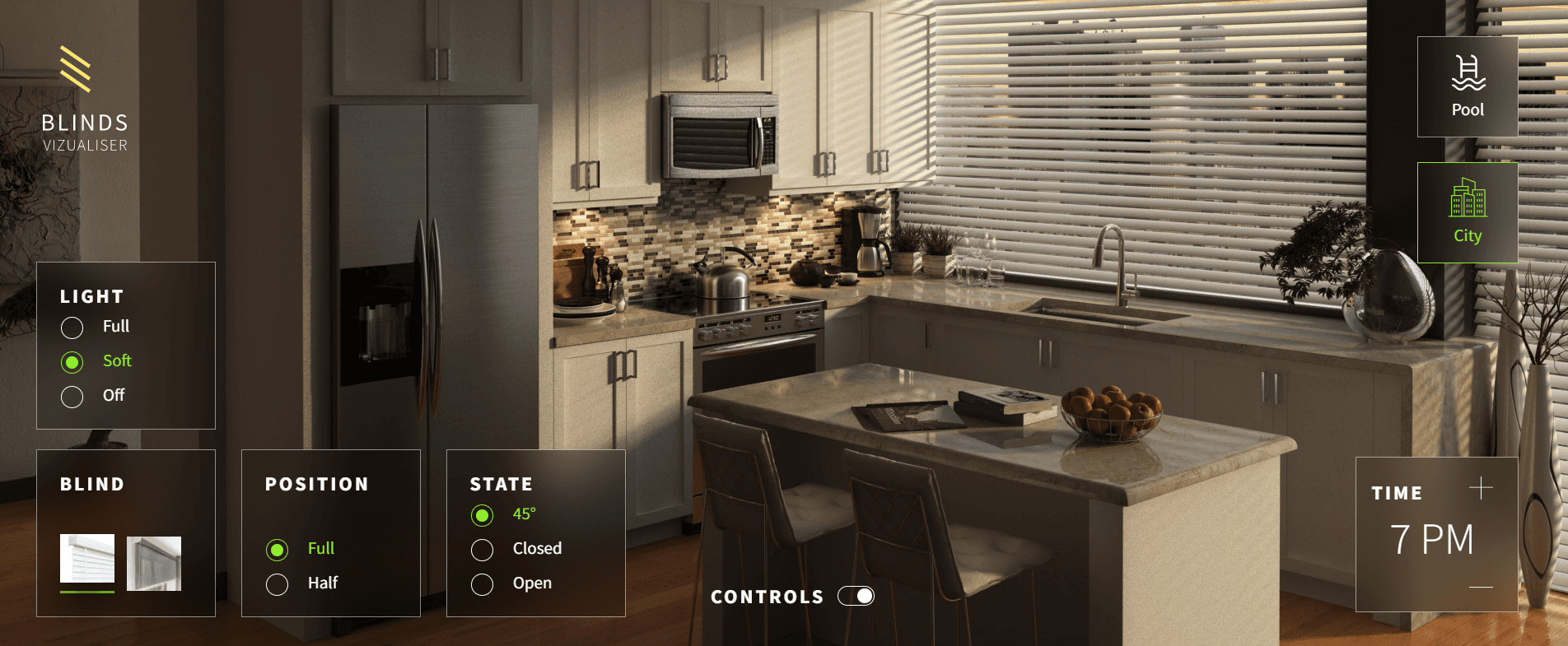
Blinds Demo 2D Product Configurator
3D Source
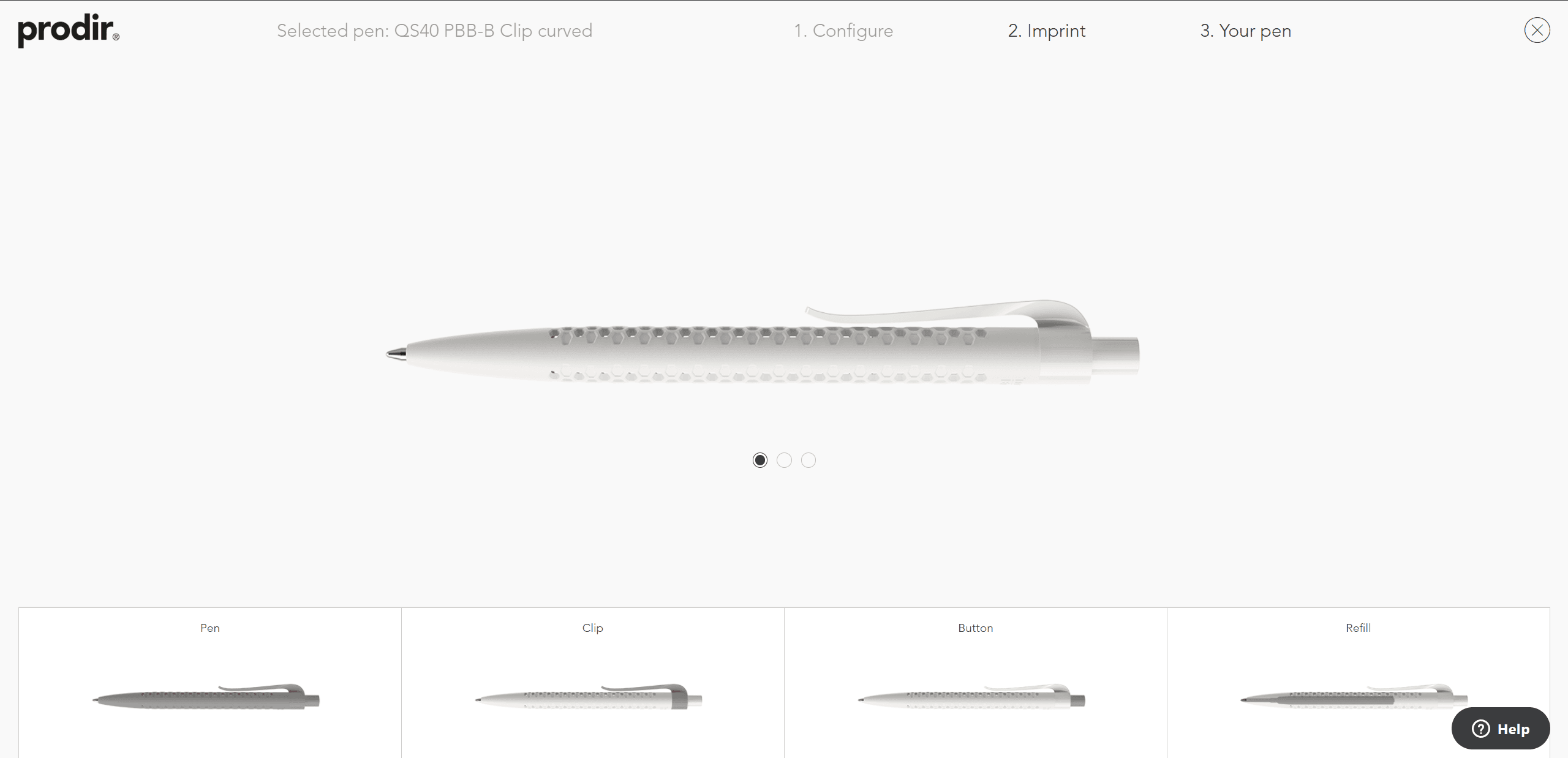
Prodir Pen 2D Configurator
Prodir
Other Rendering Modes
3D Rendering
Fully three-dimensional scenes rendered in the browser using WebGL or WebGPU. Users can orbit, zoom, and inspect products from every angle. This is the most common rendering approach for configurators, powering everything from furniture to automotive to jewelry.
Hybrid (2D & 3D)
Combines 2D and 3D elements in a single configurator. Common patterns include a 2D option panel alongside a 3D viewport, or a flat product builder with an optional 3D preview. This approach balances visual richness with UI simplicity.
Pixel Streaming
Server-side rendering streamed to the browser as a video feed. The 3D scene runs on a remote GPU (often Unreal Engine or similar) and the user's inputs are sent back over WebRTC. Enables photorealistic quality on any device but requires persistent server infrastructure.